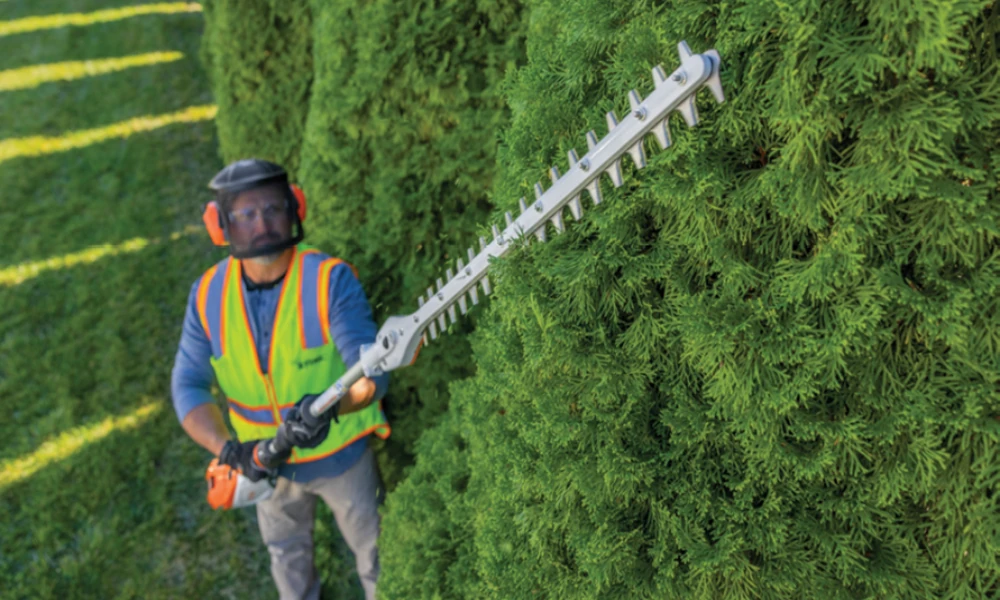
Gas-powered tools once ruled the world of landscaping, their roar a signature of hardworking crews. Now, a quieter revolution is sweeping through backyards and job sites alike: battery powered tools have stepped out of the shadows and are redefining what’s possible in landscape maintenance.
Dispelling the Myth: Battery-Powered Tools Lack the Power of Gas Models
For years, professional landscapers dismissed battery-powered tools as underpowered toys. That view is now outdated. Advances in brushless motors and high-capacity lithium-ion batteries have leveled the playing field, so much so that the gap in performance is nearly invisible to most users.
How Has Modern Battery Technology Closed the Power Gap?
Today’s lithium-ion cells store more energy in smaller spaces and deliver it with less fade, allowing battery-powered blowers, chainsaws, and trimmers to match, and sometimes exceed, the torque and thrust of their gas counterparts. The best models can maintain consistent output from the first cut to the last, even under demanding loads.
What Does Real-World Performance Look Like?
Brands like STIHL, Makita, and Milwaukee are leading the charge. Take the STIHL BGA 60 Cordless Blower, one of many available at GSM Depot STIHL tools. It’s designed to move heavy, wet leaves with ease and delivers sustained power, not just a short-lived burst. Landscapers who once hauled multiple gas units now find a single battery tool can handle most tough jobs with less fatigue.
Debunking the Idea That Battery Tools Have Limited Runtime
Early battery tools ran out of juice fast, but that limitation is history. Modern landscaping batteries last long enough for extended shifts, especially when paired with quick-charging systems and smart battery management.
How Have Battery Capacity and Efficiency Improved?
Manufacturers have doubled or even tripled battery capacity without adding significant weight. Improvements in tool design also mean motors use less energy for the same output, and some systems allow multiple batteries to work in tandem for all-day runtime.
What Role Do Quick Charging and Swapping Play?
Busy crews no longer need to stop work for hours while charging. Advanced chargers can replenish most batteries in less than an hour. Many professionals keep spare batteries on hand, swapping them out in seconds to keep working.
Battery Tools Are Not Just for Small Jobs: Breaking the Size and Application Stereotype
If you think battery-powered tools are limited to light-duty tasks, you’re missing the bigger picture. Arborists, groundskeepers, and facility managers are all switching to battery platforms for everything from trimming and edging to heavy brush clearing.
How Versatile Are Battery Tools in Landscaping?
From delicate shrub shears to high-torque chainsaws, there is now a battery-powered solution for nearly every landscaping job. Multi-tool platforms let crews switch attachments on the fly with a single powerhead, increasing efficiency on the job.
Do Professionals Use These Tools in Demanding Environments?
Absolutely. Case studies from municipal parks and large estates show that crews running on battery platforms complete the same workload as gas tool users, but with lower operating costs and less downtime for refueling or repairs.
Challenging the Assumption That Battery Tools Are More Expensive Over Time
While the initial investment in battery gear may be higher, ongoing costs tell a different story.
| Factor | Battery Powered Tools | Gas Powered Tools |
|———————–|—————————–|——————————-|
| Fuel/Energy Cost | Low (electric charging) | High (gasoline/oil) |
| Maintenance | Minimal (no carburetors, spark plugs, filters) | Frequent (engine service, fuel issues) |
| Lifespan of Components| Long (fewer moving parts) | Shorter (engine wear) |
| Emissions/Regulations | None (site emissions free) | Potential compliance costs |
Long-term, battery systems often save hundreds of dollars a year in fuel, oil, and repairs. Tools last longer thanks to less vibration and simpler mechanisms.
Noise and Emissions Myths: Battery Tools Are Not Just Quieter, They’re Greener
Gas-powered blowers and trimmers are notorious for their screeching volume and smoky exhaust. Battery platforms change the entire work environment.
What Is the Environmental Impact of Battery Tools?
Zero on-site emissions means less air pollution and a healthier workplace. In dense neighborhoods or urban campuses, clean electric tools are quickly becoming the only option as cities tighten noise and emissions ordinances.
How Does Reduced Noise Improve Safety?
Quieter tools reduce hearing damage risk and make it easier for crews to communicate on site, resulting in safer, more coordinated work.
Addressing Concerns Over Durability and Reliability
Battery tools are often perceived as less tough than gas models, but recent engineering advancements point in a different direction.
What Innovations Boost Longevity?
Encased electronics, water-resistant housings, and ruggedized battery mounts add years to a tool’s working life. Many models undergo stress testing and feature warranties that match or exceed those offered for gas equipment.
How Are Warranty and Service Support Evolving?
Industry leaders now offer extended warranties and streamlined repair programs. Battery packs can be replaced or upgraded without discarding the entire tool, keeping owners productive and reducing waste.
The Future of Landscape Maintenance: Why Are Battery-Powered Tools Leading the Way?
Smart technology is now built into the best outdoor power tools. Bluetooth tracking, performance analytics, and integration with fleet management apps are standard on many pro-grade models. As battery prices continue to fall and energy density rises, expect crew trucks loaded with silent, emission-free gear to become the new norm.
For both professionals and homeowners, battery-powered tools are no longer a compromise. They are the intelligent, future-proof choice for landscape maintenance, blending power, precision, and responsibility in ways gas tools never could.