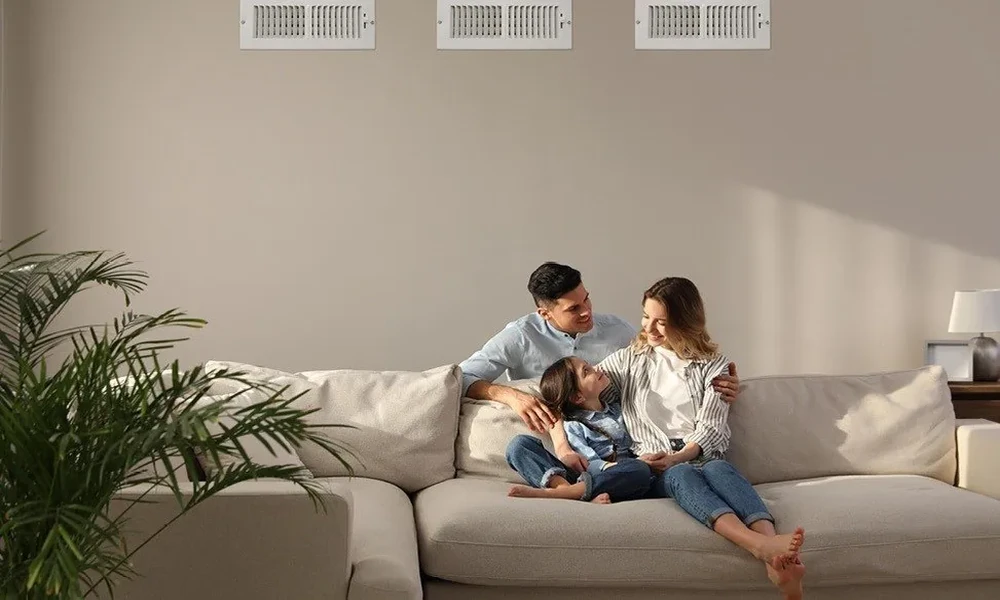
Indoor air quality is one of those things nobody thinks about until someone in the house starts sneezing every morning for no obvious reason. Then suddenly it’s the first thing on everyone’s mind, googling dust mites and pollen counts at eleven at night.
Homes are sealed up more than they used to be, better insulation, tighter windows, all good for energy bills. Less good for natural airflow though, since the same air tends to recirculate more without much fresh exchange from outside. That means whatever’s in the air stays in the air longer.
air purifiers work by pulling that air through a series of filters, capturing particles too small to see with the naked eye. Dust, some allergens, certain airborne particles that would otherwise just keep circulating room to room. The good units do this quietly, running in the background without becoming another thing to manage.
Why Indoor Air Quality Actually Matters
Not every home needs one urgently. But certain situations tend to benefit more than others, and it’s worth being honest about which category a household actually falls into.
Households with pets tend to notice the biggest difference, since dander is a fairly constant presence regardless of how often someone vacuums. Allergy sufferers report similar results, particularly during pollen heavy seasons when windows stay open more than usual. Homes near busy roads sometimes deal with more outdoor pollutants tracking in too, which a purifier can help offset somewhat.
What A Good System Actually Filters Out
Filtration quality varies a fair bit between units, and this is where the actual performance difference shows up. Better systems capture finer particles, down to sizes that basic filters just let straight through. That distinction matters more for anyone with genuine respiratory sensitivities.
Some units also target specific concerns beyond general dust, certain allergens, some airborne irritants that contribute to that stuffy feeling in a closed up room. Worth checking what a specific model actually claims to filter rather than assuming all purifiers perform identically, since the range in effectiveness across the market is genuinely wide.
Placement affects performance too. A purifier tucked in a corner behind furniture won’t circulate air nearly as effectively as one with clear space around it. Small detail, but it actually changes how well the unit does its job day to day.
Choosing The Right Fit For Your Space
Room size matters more than people initially think, since an undersized unit for a large open space will simply struggle to keep up regardless of how good the filtration technology inside it actually is. Matching capacity to the actual room size makes a real difference in how well it performs.
Browsing a range like the air purifiers lineup gives a clearer sense of what’s actually available for different room sizes and specific concerns, rather than guessing based on a single generic listing.
Maintenance matters too, and it’s often the part people forget about after the initial purchase. Filters need replacing on a schedule to keep performing properly, and skipping that step quietly undoes a lot of the benefit the unit was bought for in the first place.
Cleaner indoor air isn’t a dramatic transformation overnight for most households. It’s more of a quiet, steady improvement, the kind that’s easy to underestimate until you notice its absence somewhere that doesn’t have it.
Running the unit consistently tends to matter more than running it occasionally on high settings during a bad allergy week. Steady, lower level filtration over time generally outperforms sporadic bursts of use, even if the sporadic approach feels more responsive in the moment.