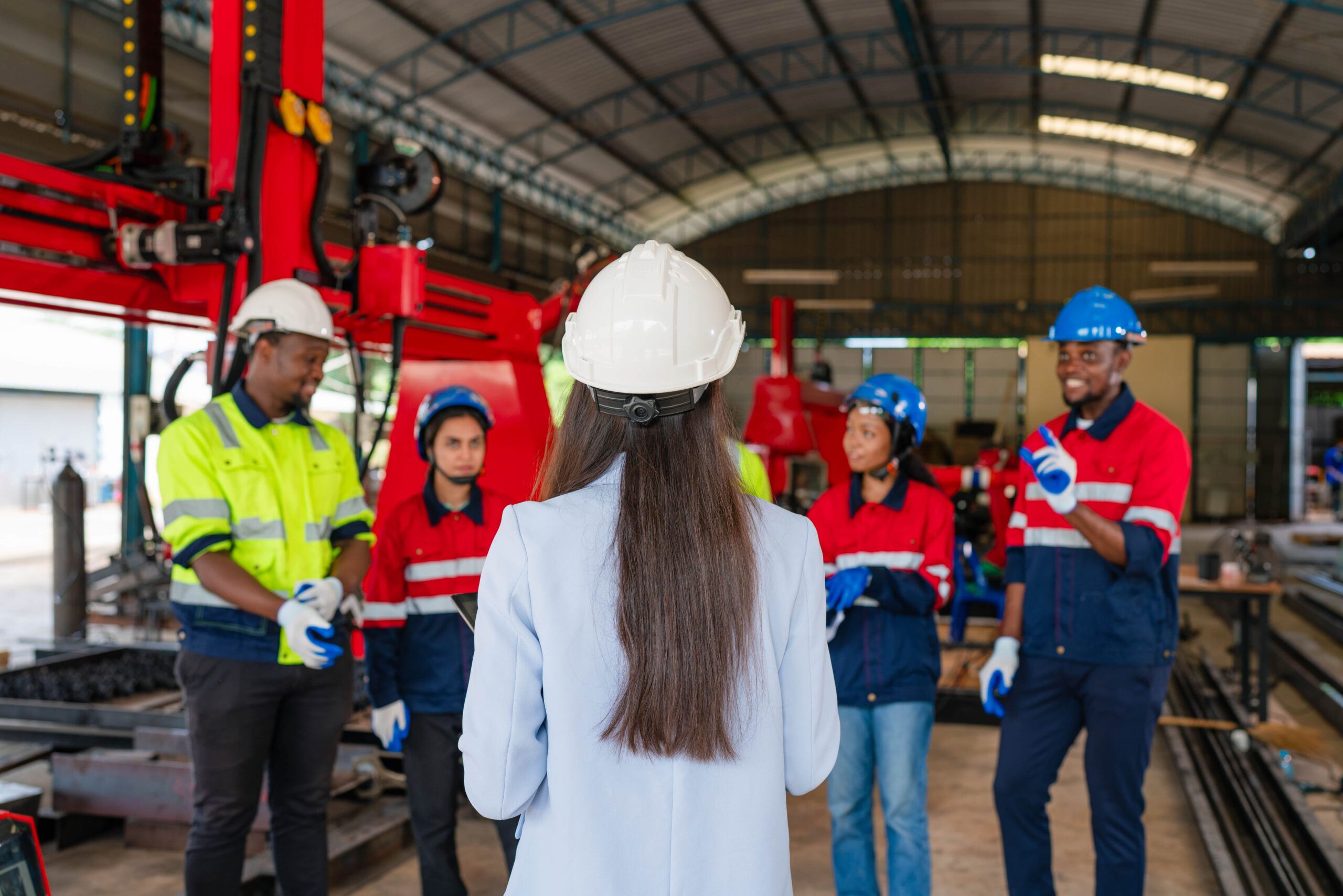
A safe workplace is built on more than just high-quality gear and sturdy railings, as it is built on knowledge. Even the most advanced safety equipment in the world cannot protect a worker who doesn’t know how to use it properly. This is why safety training is the most critical foundation for any risk-reduction strategy.
Training transforms safety from a list of rules into a set of skills. When employees understand the why behind safety protocols, they become active participants in protecting themselves and their colleagues. This proactive approach significantly lowers the frequency of accidents and ensures a healthier, more confident workforce. Focusing on improving farm safety practices can further help agricultural operations create safer working environments, reduce equipment-related risks, and enhance overall productivity.
Recognizing and Assessing Hazards
The first step in staying safe is being able to spot a problem before it causes harm. Training teaches employees how to perform hazard identification. This involves scanning a work area for potential dangers, such as a spill on a warehouse floor, a frayed electrical cord in an office, or an improperly secured ladder.
Companies train hundreds of safety inspectors by educating employees on what risk looks like in their specific setting.
Mastery of Equipment and Tools
Many workplace injuries occur when an employee uses a tool for something it wasn’t intended for, or operates a machine without fully understanding its controls. Proper training provides a deep dive into equipment mastery.
- Proper Technique: Training ensures that everyone knows the “right way” to handle tools, which minimizes the physical strain and mechanical errors that lead to accidents.
- Safety Features: Modern machines often come with emergency stops, shields, and sensors. Training ensures that workers know where these are and, more importantly, never attempt to bypass them to save time.
When a worker feels competent with their tools, their stress levels drop. Lower stress leads to better focus, and better focus leads to fewer mistakes.
Emergency Response and Preparedness
Despite all precautions, emergencies can still occur. During times of extreme stress, the human brain frequently struggles to think coherently. This is where repetitive training and drills can save lives.
Training, whether it’s a fire drill, a first-aid course, or a chemical spill protocol, helps to create muscle memory. When a crisis strikes, trained staff do not panic or wonder what to do, as they just follow the methods they have practiced. This structured response can keep a minor occurrence from becoming a tragedy and guarantee medical assistance.
Cultivating a Safety-First Mindset
Finally, training is the primary tool for building a safety culture. When a company invests time and money into regular training sessions, it sends a clear message.
This culture encourages open communication. In a well-trained environment, a junior employee feels empowered to tell a senior manager if they see a safety violation. This psychological safety is vital. When everyone feels responsible for the well-being of the group, the entire organization becomes more resilient and unified.
Conclusion
Safety training is not a one-and-done task. As industries evolve and new technologies are introduced, the risks change too. Continuous education ensures that safety knowledge stays fresh and relevant.